
How long does an asphalt-shingle roof last?
Published
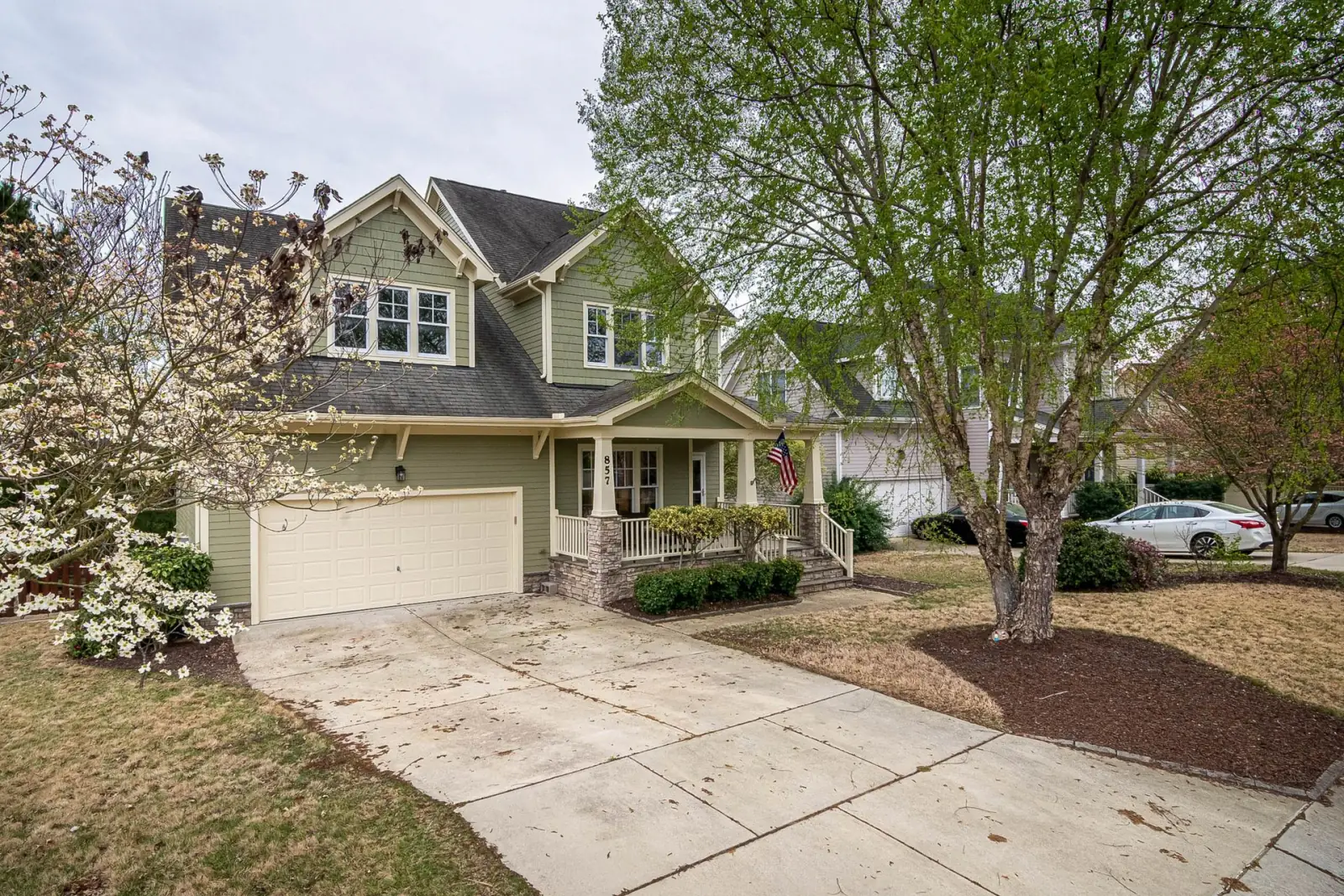
The short answer
Most published estimates for an asphalt-shingle roof fall between about 15 and 30 years. GAF, a shingle maker, says 20 to 30 years, and a 2007 home builders' study says about 20.
Where you live matters too: Verisk found that roofs in hail-prone states last about 15 years on average, against 22 years in calmer western states. A "lifetime" warranty is a promise about defects for as long as you own the house, not a forecast of how long the roof will last.
If you're wondering whether this is the year for a new roof, you're not alone. Below is what the published sources say, what they leave out, and a simple way to check your own roof. When you're ready to put numbers to it, our roof replacement cost calculator gives you a planning range with every assumption shown.
This guide covers asphalt shingles only. They are on 80 percent of US roofs, according to Verisk (April 8, 2025).
What the published sources say
Five sources, side by side. They measure different things, so they don't agree exactly.
| Source | What it says | Date |
|---|---|---|
| GAF, a shingle maker | "Generally speaking, asphalt shingles last 20 to 30 years" | June 10, 2025 |
| Fixr, a cost guide | 3-tab shingles: 15 to 20 years. Architectural: 25 to 30 years | Updated January 21, 2026 |
| InterNACHI, a home inspectors' association | 3-tab shingles: 20 years. Architectural: 30 years | No date shown |
| NAHB and Bank of America, a survey of makers and researchers | "Roofs made of asphalt shingles last for about 20 years" | February 2007 |
| Verisk, an insurance data company | Average roof life: 15 years in hail-prone states, 22 years in western states such as Nevada, Arizona and Utah | April 8, 2025 |
Two patterns stand out. The thicker architectural shingles get longer estimates than 3-tab shingles. And weather can matter as much as the shingle. Both InterNACHI and the NAHB study say their figures are guidelines only, not guarantees. Our guide to architectural vs 3-tab shingles compares the two kinds in detail.
Warranty years are not roof years
Many architectural shingles come with a "lifetime" limited warranty. The word has a narrow meaning, so it helps to read the terms.
- Who it covers. In GAF's terms, "Lifetime" "means as long as the original individual owner(s) of a single-family detached residence [or eligible second owner(s)] owns the property". For other owners and buildings, lifetime coverage doesn't apply (GAF Warranty Comparison Guide).
- How it shrinks. Under GAF's standard shingle warranty, the first 10 years are not prorated. After that, "any remedy will be reduced to reflect the use you have received". A claim in year 18 pays less than a claim in year 5.
- What it covers. Maker's warranties "typically cover material defects and premature product failures". They don't cover severe weather or poor installation (GAF). The roofer's own workmanship warranty is what covers the installation.
Each maker writes its own terms. Ask for the warranty document for the exact shingle on your quote. Our guide to roof warranties goes further.
What shortens or stretches a roof's life
Weather
Roofs don't last as long where hail and storms are common. That's the gap in Verisk's figures: 15 years on average in hail-prone states against 22 in western states with less severe weather. Heat matters too. InterNACHI notes that "hot climates drastically reduce asphalt shingle life."
Attic airflow
Your shingles sit on boards over the attic. When warm, damp air can't get out, GAF says it can collect under the roof boards, "which can lead to condensation and eventual wood decay" (GAF, May 19, 2026). The model building code sets a minimum vent area of 1/150 of the attic's area, or 1/300 in some cases (IRC R806.2, as quoted in the City of Tifton's re-roof guide). Your town may use a different edition.
Installation and upkeep
The people surveyed for the NAHB study stressed that the life of home parts "is greatly affected by the quality of maintenance." GAF suggests checking your roof twice a year, in spring and fall, and always from the ground.
How old is my roof? A kitchen-table check
Start with paperwork
Verisk's roof-age tool for insurers combines records like "permit insights, aerial imagery, assessor records, real estate data and claims" (Verisk). You can look at some of the same kinds of records yourself:
- A building permit. If one was pulled for the last roof, your city or county building department may have the date.
- Your closing papers. The home inspection report or the seller's disclosure may give the roof's age.
- Receipts and warranty papers. A roofer's invoice or a shingle warranty registration has a date on it.
Then look from the ground and the attic
GAF lists these signs that a roof may need replacing (GAF):
- missing, buckling, curling, cracking or torn shingles
- a lot of granules in the gutters
- a sagging roofline
- a lot of moss
- severe storm damage
- leaks that keep coming back, or show up in many places
In the attic, GAF suggests looking for "water stains, dark spots, or mold/mildew", especially near the eaves, valleys and vents. Please stay off the roof itself.
Put it together
Write down the age you found and the signs you saw. Then compare them with the table above. GAF suggests talking to a roofing professional about replacing your roof if it is more than 20 years old, or has extensive damage or problems that keep coming back.
Repair or replace?
Only a roofer who has been on your roof can tell you how widespread the wear is. When you talk to one, these are the things that usually decide it: how old the roof is, whether the problem is in one spot or all over, and whether the boards under the shingles are soft. Our guide to tear-off, disposal and decking explains what happens when the old roof comes off.
The "25% rule." You may see this online. It comes from Florida's building code. As quoted by the Florida Roofing and Sheet Metal Contractors Association in June 2021, not more than 25 percent of a roof section may be "repaired, replaced or recovered in any 12-month period" unless the whole section is replaced to meet the code. It is a building rule in one state, and Florida's building commission has issued rulings on how to apply it. It isn't a general guide to when a roof should be replaced. Your local building department can tell you which rules apply where you live.
Insurance. Some insurers set roof-age limits. Connecticut's insurance department says these limits for asphalt roofs are "commonly in the 15 to 20-year range", that architectural shingles "may be eligible for longer periods, often 25 years or more", and that each insurer sets its own rules (advisory, February 6, 2026). If your insurer raises your roof's age, your state insurance department can explain your rights. You can find yours on the NAIC's list of insurance departments. After a storm, read the FTC's advice on hiring after weather emergencies before you sign anything.
Questions to ask a roofer
- How old do you think my roof is, and what tells you that?
- Is the wear in one area or across the whole roof?
- Could this be repaired? If so, what would the repair cover?
- Is my attic ventilation enough for the shingles you'd install? How did you check?
- Which shingle is on your quote, and what does its warranty cover? When does the part that isn't prorated end?
- What does your own workmanship warranty cover, and for how long?
- If boards under the shingles need replacing, what do you charge per sheet, and will you check with me first?
When you're ready to plan
If your roof is near the end of these ranges, it helps to know the size of the job before any roofer visits. Start with what a roofing square is, then use the roof replacement cost calculator for a planning range. Once quotes arrive, you can compare your roofing quotes side by side.
Your next step
Get a planning range for your roof, with every assumption, source and date shown.
Plan a budgetFree, no account, no phone number.
Sources
- GAF, "Residential Roofing FAQs" (Dawn Killough)Published . Read on .
- Fixr, "How Much Does Asphalt Shingle Roofing Cost? [2026 Data]"Published . Read on .
- InterNACHI, "Standard Estimated Life Expectancy Chart for Homes" (no date on the page)No publication date shown. Read on .
- NAHB and Bank of America Home Equity, "Study of Life Expectancy of Home Components" (February 2007; copy hosted by NSF)Published . Read on .
- Verisk, "U.S. Roof Claims Costs Reached Over $30 Billion In 2024, Underscoring Evolving Risks" (press release on its U.S. Roofing Realities Trend Report)Published . Read on .
- GAF, "Warranty Comparison Guide" (RESWT211; no date on the document)No publication date shown. Read on .
- GAF, "What Is Roof Decking?" (Annie Crawford)Published . Read on .
- City of Tifton, GA / SAFEbuilt, "2024 IRC Residential Re-Roof" homeowner guide (quotes IRC R806.2)Published . Read on .
- Connecticut Insurance Department, "Understanding How Insurance Companies Evaluate Roof Risk" (consumer advisory)Published . Read on .
- Florida Roofing and Sheet Metal Contractors Association, "FRSA Helps Clarify the 25% Rule" (Mike Silvers)Published . Read on .
- NAIC, "Insurance Departments" (find your state's insurance department)No publication date shown. Read on .
- Federal Trade Commission, Consumer Advice on hiring a contractor after weather emergencies and natural disasters (page dated September 2025)Published . Read on .